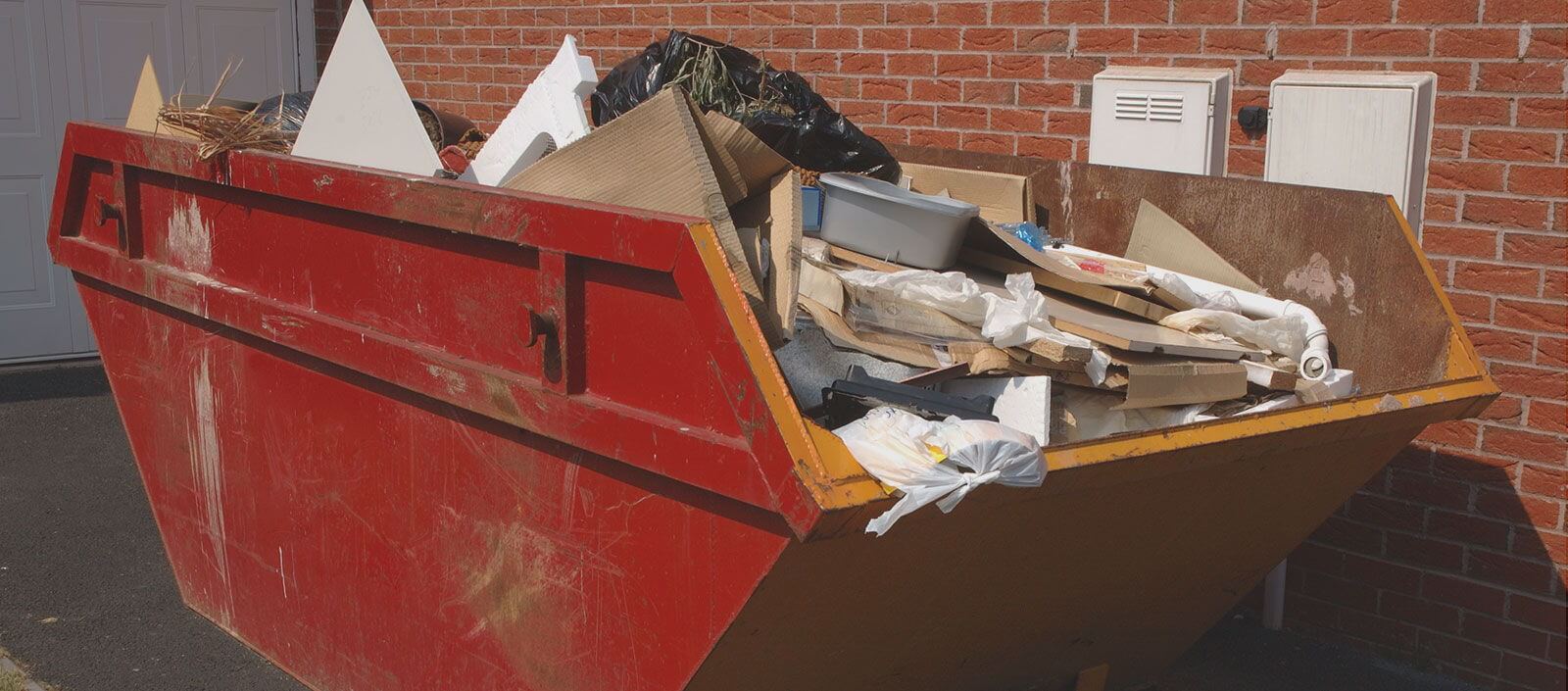
Rubbish removal Harringay rules explained by Haringey Council
Posted on 01/08/2026
If you live or work in Harringay, rubbish removal can feel simple right up until it suddenly isn't. A sofa won't fit through the stairwell, builders' rubble is left after a refit, or a fly-tipped bag turns up beside the bins on a damp Monday morning. That is usually when people start asking what Haringey Council expects, what counts as lawful disposal, and where the line is between a tidy clear-out and an avoidable mistake.
This guide breaks down the local rules in plain English. It explains the practical side of rubbish removal Harringay residents deal with every day, how council expectations generally work, what to check before you book a collection, and how to stay on the safe side if you are clearing a flat, a house, an office, or a rental property. We'll keep it local, useful, and grounded in real-life situations rather than legal waffle. Truth be told, that is usually what people need most.

Why Rubbish removal Harringay rules explained by Haringey Council Matters
Local rubbish rules matter because waste has consequences beyond the item itself. If rubbish is left in the wrong place, collected by the wrong person, or dumped without proper care, it can create nuisance, attract pests, block shared access ways, and even land you with an unpleasant clean-up bill later. In a busy part of north London like Harringay, that risk is real. Narrow streets, communal entrances, and mixed-use buildings all make waste handling a little more complicated than a simple front-garden drop-off.
There's also the trust issue. A lot of people assume any man-with-a-van style collection is fine if the rubbish disappears. Sadly, that is not always the case. If waste ends up with an unlicensed operator, the responsibility can come back to the original owner or occupier. That is the bit many people miss. You do not want to explain to anyone why your old mattress or builders' waste has turned up somewhere it should never have been.
For landlords, estate managers, homeowners, and small businesses, following council expectations is not just about avoiding trouble. It also helps keep shared spaces tidy, protects neighbours, and reduces the chance of complaints. In practice, good rubbish removal is a form of respect. A small thing, but it matters.
Expert summary: The safest approach in Harringay is to treat waste as something that should be sorted, stored, transferred, and documented properly. If a collection feels rushed, vague, or unusually cheap, pause and check the details before handing anything over.
If you are also comparing local service quality or deciding what sort of clearance you need, our services overview is a useful place to understand the broader options available.
How Rubbish removal Harringay rules explained by Haringey Council Works
The council's approach is best understood as a chain of responsibility. Your waste should be stored safely, presented correctly, collected in a lawful way, and taken to an appropriate disposal or recycling facility. If one step goes wrong, the whole process becomes messy very quickly.
In everyday terms, here is how it usually plays out:
- You identify the waste type. Household rubbish, garden waste, bulky furniture, white goods, and construction debris all need slightly different handling.
- You decide whether council collection or a private collection makes more sense. For straightforward domestic waste, the normal household system may be enough. For bulky, urgent, or mixed waste, a private collection can be more practical.
- You keep access points clear. In flats, estates, and shared buildings, that means stairwells, lobbies, and bin stores should not be blocked.
- You use a responsible carrier. A reputable waste carrier should be able to explain where the waste will go and how it will be handled.
- You keep a record if the waste is commercial or from a business. This is especially important for offices, shops, landlords, trades, and cleared premises.
That sounds straightforward, and often it is. But local reality can be fiddly. One resident may need a same-day sofa removal because the lift is out and the council collection window has passed. Another may need builders' waste taken away after a kitchen refit, while a small business on a side street just wants old stock gone before opening hours. Different jobs, different expectations, same principle: dispose of it properly.
For people dealing with furniture, appliances, or a house clear-out, the most relevant local pages are furniture disposal in Harringay and house clearance in Harringay. They help bridge the gap between council guidance and actual collection needs.
Key Benefits and Practical Advantages
Following the rules is not just about compliance. It saves time, stress, and money in very ordinary ways.
- Fewer collection problems: waste placed out correctly is more likely to be handled cleanly and efficiently.
- Less risk of fly-tipping fallout: if you know who took your waste and how, you are in a much stronger position.
- Better neighbour relations: no one likes a shared hallway full of broken furniture or a bin area that smells like a forgotten takeaway in August.
- Cleaner shared spaces: especially important in estates, blocks, and managed properties.
- More predictable costs: planning the job properly usually prevents awkward add-ons and unnecessary call-backs.
There's also the hidden advantage of making a decision once. A lot of waste problems come from half-decisions: "I'll leave it for the council," "maybe someone will take it," "I'll move it later." We all do it. But waste rarely disappears on optimism alone.
Businesses and landlords often benefit most from a lawful, documented approach, which is why it is worth reading about commercial waste removal in Harringay if you manage premises or handle waste from a business setting.
Who This Is For and When It Makes Sense
This guidance is for anyone in Harringay who wants a cleaner, safer, and more compliant way to deal with waste. That includes:
- homeowners clearing lofts, garages, sheds, or spare rooms
- renters moving out and trying not to lose a deposit over leftover junk
- landlords between tenancies
- estate agents and property managers
- builders and tradespeople generating rubble or packaging waste
- small offices replacing desks, chairs, or IT equipment
- shops and hospitality venues dealing with everyday refuse or bulky breakage
It makes sense whenever the waste is more than a normal bin bag or two, or whenever access, timing, or responsibility is a bit complicated. If you are in a flat above a shop, or on a busy road near Turnpike Lane, you will know the drill: timing matters, and so does not getting in anyone's way.
For people with larger household projects, these pages can be especially helpful: loft clearance, furniture removal, and white goods and appliance disposal.
Step-by-Step Guidance
If you want to keep things tidy and within local expectations, follow a simple process.
1. Sort the waste properly
Separate general rubbish from bulky items, electricals, garden material, and construction waste. Mixed waste is not always a problem, but the more clearly you sort it, the easier the collection becomes. A quick sort before the van arrives can save a surprisingly awkward half-hour later.
2. Check whether the item needs special handling
Fridges, freezers, washing machines, and similar items can require extra care because of their size, weight, or internal components. The same goes for paint tins, sharp materials, and heavy builder's debris.
3. Decide the best collection route
Ask yourself: is this a council bin issue, a bulky-item problem, or a full clearance? If it is a one-off sofa, you may not need a full load service. If it is the contents of a flat, you probably do.
4. Make access safe and simple
Clear hallways, hold lifts open only when appropriate, and tell neighbours if a large item will be moved through a shared space. That bit sounds basic, but it prevents most of the friction. And yes, a crate left in the wrong place can feel much bigger in a narrow stairwell than it did in the living room.
5. Confirm where the waste will go
Any proper operator should be able to explain that the waste will be taken to lawful disposal or recycling facilities. If they are cagey, that is a red flag.
6. Keep paperwork or confirmation
For commercial waste and many clearance jobs, it is sensible to keep a simple record of what was removed, when, and by whom. That does not have to be fancy. A straightforward invoice or job note is often enough.
For more practical collection planning, our local guide to rubbish collection in Harringay can help you match the scale of the job to the right type of service.
Expert Tips for Better Results
After seeing how these jobs tend to go, a few habits make everything smoother.
- Measure larger items first. A wardrobe that looks manageable may be an absolute nuisance on the stairs.
- Stack waste by type. Even a rough separation of wood, metal, furniture, and bags helps.
- Avoid leaving waste on pavements too early. In mixed-use parts of Harringay, that can create complaints fast.
- Check timing for busy roads. Morning school runs and evening traffic can make a simple load-out far more awkward.
- Be clear about urgency. If you need same-day help, say so. Don't dance around it.
- Ask about recycling routes. A responsible carrier should aim to divert recyclable material where practical.
Another quiet tip: if you are emptying a flat or office, take photos before and after. It helps with tenancy records, internal sign-off, and, frankly, your own sanity when someone later claims the room "wasn't that bad."
For jobs that need fast action, the article on same-day rubbish removal in Harringay is worth a look. If you are around Turnpike Lane and working to a tight clock, this local same-day service guide is also relevant.

Common Mistakes to Avoid
A lot of waste issues are not caused by bad intent. They come from rushing, guessing, or assuming the process is simpler than it is. That said, a few mistakes show up again and again.
- Leaving rubbish in shared areas: this can block access and create safety issues.
- Using an unverified carrier: it may look cheaper, but it can become expensive very quickly if waste is mishandled.
- Mixing hazardous or awkward materials with general rubbish: this can create disposal problems.
- Failing to tell a landlord or managing agent: especially in flats and estates, coordination matters.
- Assuming "someone will sort it out later": later usually arrives with more mess, not less.
- Ignoring access restrictions: narrow alleys, controlled entrances, loading limits, and neighbour concerns can all affect the job.
There is also the classic mistake of underestimating volume. A small pile in the corner can turn into half a van once it is actually bagged and lifted. Happens all the time. It's almost a local law of nature.
If you want to avoid expensive surprises, our guide on avoiding hidden fees in Harringay rubbish removal quotes is a smart next read.
Tools, Resources and Recommendations
You do not need a complicated toolkit to manage waste well, but a few practical things help.
- Strong gloves: useful for sharp edges, dusty loft items, and broken furniture.
- Measuring tape: ideal for bulky items and access points.
- Marker pen and labels: handy if you are sorting items into keep, recycle, and remove.
- Basic photo records: useful for tenancy moves, property handovers, and office clear-outs.
- Clear payment terms: make sure you know what is included before the job begins.
From a service standpoint, the most useful site pages for many Harringay customers are pricing and quotes, waste carrier licence and compliance, and recycling and sustainability. Together they cover cost awareness, lawful carriage, and what happens to the waste after collection.
If you care about safety and proper handling, the page on insurance and safety is also sensible reading. Nobody wants a sofa scrape on a painted banister or a careless lift in a tight hallway.
Law, Compliance, Standards, or Best Practice
For rubbish removal in Harringay, the safest approach is to follow general UK waste principles and the expectations that sit behind them: waste should be stored responsibly, transferred to an authorised carrier, and dealt with in a lawful way. Where commercial waste is involved, records matter more, and business owners should be especially careful about duty of care expectations.
In plain English, that means you should:
- use a legitimate waste carrier
- avoid giving rubbish to anyone who cannot explain how it will be handled
- keep receipts, invoices, or job notes where relevant
- separate hazardous items from standard household rubbish
- make sure waste does not obstruct shared access, pavements, or emergency routes
Best practice is often more useful than strict theory. For example, a property manager clearing an old office should not just focus on speed. They should think about building access, noise, shared lifts, and whether the waste needs to be recorded for internal compliance. A homeowner clearing a garden shed may not need the same paperwork, but they still need a lawful carrier and a tidy handover.
If you are a business or landlord, the commercial angle is especially important. For that reason, it is worth understanding the company background on about us and the practical policy pages such as terms and conditions, privacy policy, and cookie policy. Those pages help build the trust picture around any service you use.
Options, Methods, or Comparison Table
There is no single correct way to remove rubbish in Harringay. The right method depends on the type of waste, how much there is, and how quickly it needs to go. Here is a simple comparison.
| Method | Best for | Pros | Watch out for |
|---|---|---|---|
| Council-style domestic disposal | Routine household rubbish and straightforward local use | Simple, familiar, often suitable for regular waste | Not ideal for bulky, urgent, or mixed clear-outs |
| Bulky-item collection | Sofas, beds, wardrobes, white goods | Good for one-off large items | Access, timing, and item restrictions can matter |
| Private rubbish collection | Mixed rubbish, urgent removals, awkward access, estate jobs | Flexible and usually quicker | Must use a trustworthy, compliant carrier |
| Full house or office clearance | Moves, end-of-tenancy work, refurbishments, emptying premises | Efficient for larger jobs | Needs good planning and clear instructions |
| Builders' waste removal | DIY debris, renovation waste, construction leftovers | Handles heavy and messy materials | Requires careful sorting and safe loading |
For especially common item types, it helps to read the dedicated pages on builders' waste disposal, garden waste removal, and office clearance. They make the choice much easier when the job is specific rather than general.
Case Study or Real-World Example
Picture a typical Harringay scenario. A family is preparing to move out of a first-floor flat near a busy local road. The place has a broken chest of drawers, an old mattress, a fridge freezer that no one wants to carry down narrow stairs, and a few bags from the loft. They have already lost a morning to packing tape, a missing charger, and one argument about which key opens the storage cupboard. Familiar stuff.
Rather than leaving the items in the communal hallway, they book a lawful rubbish removal service, check the collection time carefully, and clear the route to the door. The carrier confirms what can be taken, explains how the items will be handled, and removes everything in one visit. The hallway stays usable, the neighbours stay happier, and the handover is cleaner. Simple, but not always easy if you leave it to the last minute.
A similar setup works for landlords too. After a tenancy ends, a quick clearance can prevent delays between tenants and reduce the odds of complaints from the next person moving in. In that situation, a clear process matters more than clever wording. If you are dealing with furnished rooms, these local services are often the most relevant starting points: furniture removal and house clearance.
Practical Checklist
Use this checklist before any rubbish collection in Harringay.
- Have I identified exactly what needs removing?
- Have I separated household waste, bulky items, electricals, and builders' debris?
- Is the access route clear and safe?
- Have I told neighbours, a landlord, or a managing agent if needed?
- Do I know whether the job needs a same-day or scheduled collection?
- Have I checked the carrier is legitimate and compliant?
- Do I know where the waste will go?
- Have I kept any paperwork, invoice, or confirmation?
- Have I removed anything I want to keep from the pile? This one catches people out, oddly often.
- Is the collection area left tidy after loading?
If you can tick those off, you are already ahead of most rushed clear-outs. And if you cannot, slow down for ten minutes. It is nearly always worth it.
Get a free quote today and see how much you can save.
Conclusion
Rubbish removal in Harringay is really about three things: knowing what you have, choosing the right removal route, and keeping everything lawful and tidy. Haringey Council's rules and expectations are easiest to follow when you treat them as practical common sense rather than a hurdle. Store waste properly, avoid blocking shared spaces, use a compliant carrier, and keep a record where appropriate.
That approach protects you, helps your neighbours, and keeps the whole process far less stressful. Whether you are clearing a flat, shifting a sofa, dealing with builders' waste, or emptying an office, the same rule applies: do it properly once, and life gets a lot easier. Sounds obvious, but there it is.
In a neighbourhood as busy and lived-in as Harringay, a little care goes a long way. A tidy departure is still a good departure.