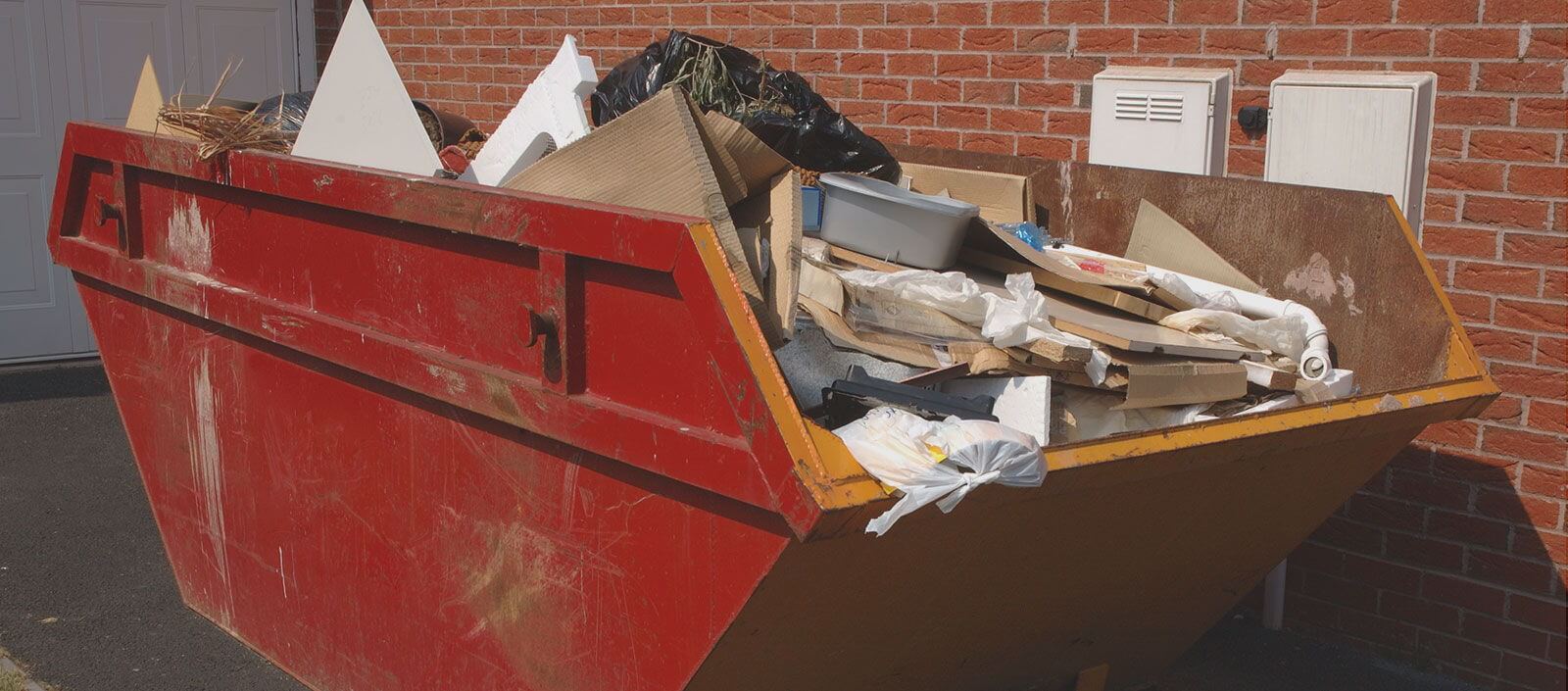
Waste Removal in Harringay for Households, Gardens and Businesses
Waste Removal Harringay provides rubbish collection and clearance in Harringay for homes, landlords, offices and trade customers who need a practical way to move unwanted items on. The service covers day-to-day rubbish removal, larger clearances and mixed loads, with the aim of keeping the process straightforward from the first enquiry to the final collection. If you need items taken from inside a property, from a garden, or from a workplace, the service can be shaped around the load rather than forcing you into a one-size-fits-all approach. Clear access, clear pricing and clear disposal are the main points to understand before booking.
As a commercial rubbish removal service, the work can include single bulky items, bagged household waste, old furniture, white goods, office clutter and post-renovation debris. Different types of waste usually need different handling, so it helps to choose the page that best matches what you want removed. For example, builders waste, house clearance and office clearance each place different demands on loading, sorting and disposal. You can begin by looking at the services overview if you want a quick sense of the main options before asking for a quotation.
When you are ready to talk through a load, a short description of the waste is often enough to start. If you already know whether it is domestic, commercial or mixed, that helps narrow down the most suitable collection type. Photos are useful when available, but they are not the only way to explain what needs shifting. A plain text enquiry can still cover quantity, item type, access and timing so that the job can be assessed properly.
Domestic waste collection and everyday rubbish removal
Domestic waste collection in Harringay is suited to the kind of rubbish that builds up through normal household life: broken furniture, accumulated bags, boxed-up clutter, old toys, worn household goods and general mixed waste. The service is useful when the items are too much for a standard bin collection but do not amount to a full property clearance. In many cases, the most efficient approach is to group everything you want removed into a single load, making it easier to plan space, lifting and disposal.
For households, it can also help to separate what stays from what goes. That makes the collection quicker and reduces the risk of removing something you still need. If your load includes a few different waste types, the team can usually advise on the best way to present them. You can use plain language to say what is in each room or area, then follow up with the most relevant page such as domestic waste collection in Harringay if your enquiry is mainly about home rubbish rather than a larger clearance.
Bulky items, furniture and mixed household loads
Bulky objects need a little more thought than loose rubbish because size, weight and access can affect how they are handled. Sofas, wardrobes, mattress sets and other substantial pieces may require more than one person and a suitable vehicle arrangement. Mixed household loads can often include a combination of bags, small appliances and furniture, so it is worth describing the mix rather than listing only the biggest item. Where that is the case, furniture removal in Harringay may be relevant if the main task is taking away large household pieces.
A useful quotation request usually answers three practical points: what is being removed, where it is located, and how easy it will be to reach. Stairs, narrow hallways, shared entrances and parking restrictions can all shape the work involved. A well-described enquiry helps avoid uncertainty later, especially when you want several different items removed in one visit. If you are dealing with a fuller home clearance rather than a few pieces, house clearance in Harringay is the more appropriate page to review.
Builders waste, renovation debris and post-project clearances
Builders waste disposal in Harringay is designed for waste produced by repair, refurbishment and light construction work. It may include timber offcuts, packaging, plasterboard, broken fixtures, tiles, old fittings and other debris left once a job has finished. This type of waste often needs separating from ordinary household rubbish because the load can be heavier, dustier and more varied. A sensible collection plan takes into account the condition of the material, whether it is bagged or loose, and how much space it will occupy in the vehicle.
Renovation and building work often produces a mixture of reusable and non-reusable material, so it helps to keep the useful items apart before the collection date. Doing so makes the waste handling more orderly and reduces confusion on site. If the project is small, a mixed builders load may be enough; if it is larger, the job may call for more careful planning. For that reason, builders waste disposal in Harringay is a focused option when you want debris removed without dealing with a skip yourself.
- Bagged rubble and light demolition waste
- Timber, packaging and scrap material
- Old fixtures, fittings and renovation leftovers
- Mixed debris from small building tasks
If you are comparing collection types, think about whether the waste mainly comes from a building job, a home clearance or a routine tidy-up. That distinction matters because the disposal method should suit the waste stream, not just the size of the pile. You can ask for a quotation once you know the general mix, and mention any awkward access points so that the collection can be assessed more accurately. For regular commercial premises, commercial waste removal in Harringay may be the better fit.
Garden waste, outdoor clear-ups and seasonal tidy work
Garden waste removal in Harringay covers the type of material that comes from pruning, digging, clearing and general outdoor maintenance. This can include branches, cuttings, soil, turf, leaves, hedge trimmings and old plant matter. Outdoor waste is often bulky but comparatively light, so it needs a collection method that suits volume as well as weight. A well-planned load also helps avoid mixing green waste with items that belong in a different disposal stream.
For many customers, the main decision is whether the waste is mostly green material or a broader mixture of outdoor rubbish. Broken pots, old garden furniture, fencing offcuts and bagged weeds may all be part of the same clear-up, but they do not always need the same handling. A concise description of the materials gives a better basis for quoting than a simple estimate of how messy the space looks. If the work is mainly outside, garden waste removal in Harringay is the natural page to use.
Garden clearances often work best when access is considered early. Side passages, rear gates, shared paths and muddy areas can all influence how the waste is carried out. Try to mention any items that are especially wet, heavy or awkward, because that can affect loading time and vehicle space. If there are also larger household items in the same outdoor area, it may be better to describe the whole mix rather than splitting the enquiry into separate fragments.
Office clearance, commercial rubbish and workplace disposal
Commercial waste removal in Harringay is useful for businesses that need a straightforward collection of unwanted office or workplace material. The scope may include desks, chairs, filing, packaging, broken equipment and general rubbish from a premises that is being reorganised or tidied. Commercial loads often need more planning than domestic ones because there may be different items to sort, different access arrangements and a need to work around trading hours or building rules.
Office clearance in Harringay is a more specific option when the main task is removing workplace furniture, old paperwork, shelving or general office clutter. It suits small offices, shared workspaces and larger premises that need a controlled tidy-up rather than an all-purpose rubbish collection. If the priority is clearing rooms used for administration, storage or desk work, the dedicated page office clearance in Harringay can help you match the service to the space involved.
Businesses often benefit from describing the work by zone rather than by individual item. For example, one room may contain stationery and packaging, another may hold surplus furniture, and a third may be used for archived files or storage. That makes the collection more manageable and helps the quotation reflect the real scope of the job. If white goods or appliances are also present, it is sensible to mention them so they can be treated as a separate part of the load.
Furniture, appliances and other bulky household items
Furniture disposal in Harringay is aimed at unwanted pieces that are no longer needed, whether they are coming from a house, flat, rented property or storage room. Sofas, tables, cabinets and similar items often take up disproportionate space, so removing them can make a room feel more usable without requiring a full clearance. The service is also useful where a single item is too large to move through normal bin arrangements or standard household disposal routes.
White goods and appliance disposal covers the removal of fridges, freezers, washing machines, cookers and similar units. These items are heavy and awkward, so they should be described carefully when requesting a quotation. Mentioning whether the appliance is freestanding, integrated, upstairs or located in a tight kitchen helps the team understand the likely work. If appliances are the main issue, the dedicated page white goods and appliance disposal in Harringay is the most direct match.
When several bulky items are being removed together, grouping them in advance can save time and avoid duplication. A simple list is often enough: the type of item, how many there are, and where they are positioned. If you are unsure whether furniture, appliances and general rubbish should be quoted together or separately, it is sensible to mention everything in one enquiry and let the service shape the load. For some properties, that may lead naturally to rubbish collection in Harringay as the broadest option.
How quotations are assessed and what to include
A quotation for waste removal usually depends on the type of material, the volume, and the practical conditions around the job. Access can matter just as much as the waste itself, particularly if items need carrying from upper floors, shared hallways, basements or rear gardens. The more clearly the load is described, the easier it is to match the right collection approach. That is true whether the job is a single item, a household tidy-up or a commercial clearance.
There are a few details that are worth including when you ask for pricing. First, say what kind of waste it is and whether it is mixed. Second, explain whether the items are already grouped, bagged or left in place. Third, mention anything that affects loading, such as stairs, parking, limited access or restricted hours. A good starting point is the page on pricing and quotes, which is the most relevant place to look when you want the commercial side of the service rather than a specific clearance type.
You do not need to write a long message, but it does help to be specific. If you have several photos, they can make the description clearer; if you do not, a short written summary still works. A practical enquiry usually gives one overall picture of the work instead of fragmenting it into separate notes. Quantity, access and waste type are the three points that give the best starting point for a sensible quotation.
Compliance, disposal standards and practical service information
Responsible waste removal is not only about taking items away; it is also about where they go afterwards and how they are handled on the way there. That is why many customers want reassurance about compliance, disposal practices and payment handling before they confirm a booking. If you are comparing providers, it can be helpful to review the company’s waste carrier licence and compliance page so that you know what standards are being referenced.
Sustainability is another common consideration, especially when the waste includes reusable or recyclable material. Not every item can be handled in the same way, and mixed loads often need sorting before disposal. A clear explanation of recycling practices can be useful if you want to understand how the service approaches suitable material. For that reason, recycling and sustainability is worth checking when you want more detail on disposal choices rather than the removal process itself.
If you are deciding between different providers or service pages, look for information that answers practical questions rather than broad slogans. Payment terms, security and the process for confirming a collection are all part of the customer decision, but they should sit alongside the actual waste service, not replace it. A short, direct enquiry remains the simplest way to request a quotation, especially when you already know the basic type of waste you need removed.
About Harringay
Harringay is an area in the London Borough of Haringey, in north London, best known for the long sweep of the Green Lanes corridor and for the mix of Victorian and Edwardian residential streets that fan out from it. The name is often associated with the railway age and with the development of suburban housing in the nineteenth century, when the extension of transport links encouraged denser building and new local shopping streets. Today the area sits between several better-known parts of north London, yet it has a distinct identity shaped by its main road, its railway lines and the rhythm of everyday urban life. The Broadwater Farm estate lies to the west of the district, while the eastern side of the area opens towards residential streets and local parks. Nearby Finsbury Park, although not within Harringay itself, is a major open space that many people associate with the wider district because of its proximity and transport links. Green Lanes remains a defining feature, with independent shops, cafés and long-standing local businesses giving the area a busy, lived-in character. Harringay Green Lanes station and nearby transport routes connect the district into the wider London network, while the surrounding streets preserve many of the details that make this part of the city recognisable: terraced housing, varied small-scale architecture and an urban fabric that reflects different phases of London growth. The result is an area that feels both practical and historically layered, with ordinary residential use alongside a strong sense of local continuity.
Simple ways to request a collection
Once you know what needs removing, the next step is usually to decide how the job should be framed. Some customers only need a single bulky item collected, while others are dealing with a room, a garden corner or a full property load. The most useful enquiries usually state the general type of waste, where it is located and whether the items are already accessible. If there are different kinds of material in the same job, it is better to mention them together than to leave out the detail that might affect the quotation.
For larger clearances, it can help to think in terms of zones or categories rather than one long list. That makes it easier to compare household items, furniture, outdoor waste and office material without turning the enquiry into a guesswork exercise. If you prefer to review the broader service structure first, the page on about us gives another route into the business information, while the main service pages show the practical options more directly. When you are ready, you can also use the contact us page to request a quotation.
If you want waste removed in Harringay, keep your note brief but specific and ask for the collection that fits the waste rather than the other way round. A good enquiry should be easy to understand at a glance and should leave room for an accurate response. Send the essentials, mention access, and ask for a quote when you are ready to move ahead.