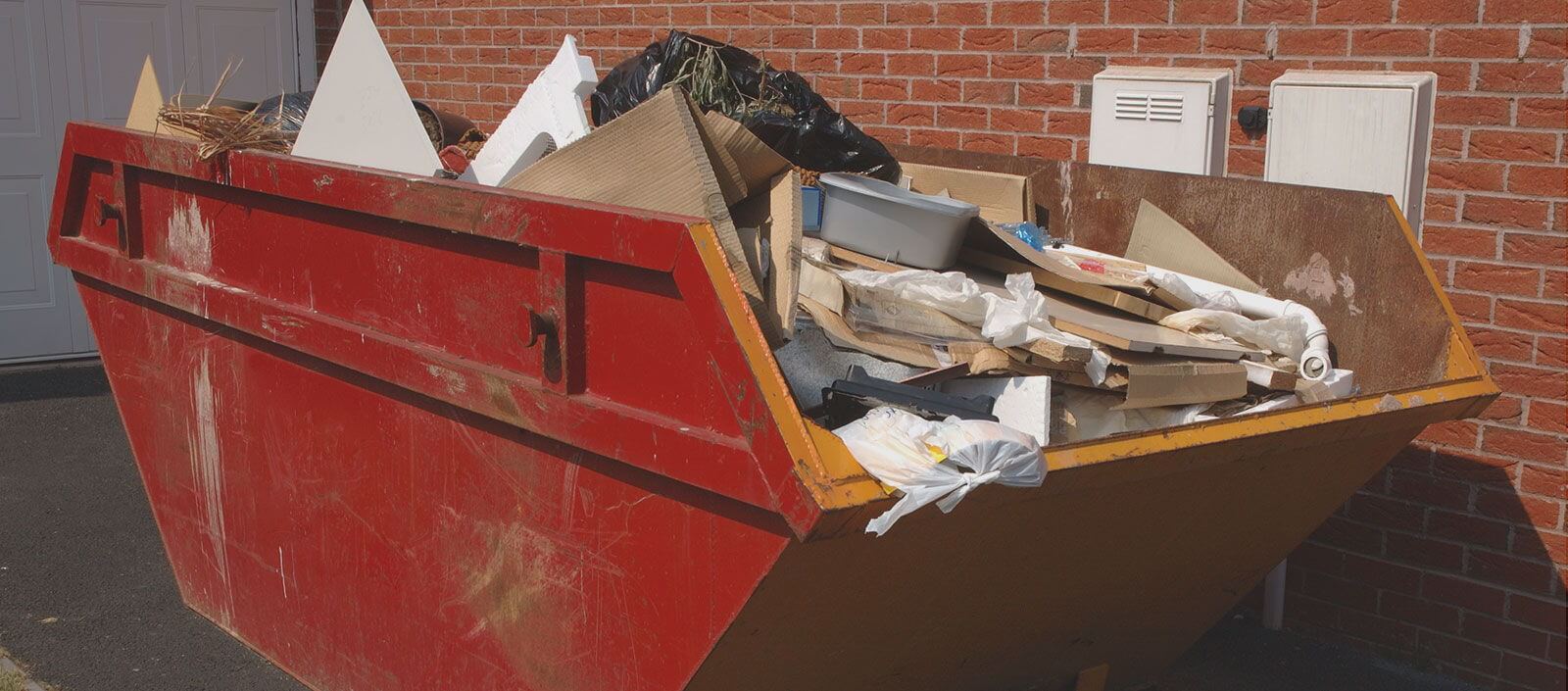
Green Lanes Harringay rubbish removal for tight streets
Posted on 14/10/2026
Green Lanes Harringay rubbish removal for tight streets: a practical local guide
If you live or work near Green Lanes, you already know the problem: the streets can be narrow, parking is often awkward, and a bulky sofa or builder's rubble does not magically carry itself downstairs. Green Lanes Harringay rubbish removal for tight streets is really about one thing-getting waste out safely, quickly, and without creating a nuisance for neighbours or traffic. Sounds simple. In reality, the logistics can be a bit fiddly.
This guide walks through how tight-street rubbish removal works in Harringay, what to expect, where people go wrong, and how to choose the most sensible approach for your property. Whether you are clearing a flat above a shop, dealing with refurbishment waste, or just need a one-off tidy-up, the aim here is to help you make a calm, practical decision. No fluff, no mystery.
For broader service context, it can also help to look at the full range of waste removal services in Harringay and the dedicated rubbish collection options for local properties.

Why Green Lanes Harringay rubbish removal for tight streets Matters
Green Lanes is busy, lived-in, and full of real-world constraints. That is part of its character. It also means rubbish removal has to work around narrow side roads, parked cars, delivery traffic, shared entrances, and the general reality of North London pavement life. If a collection method is too slow or too bulky, it can quickly become inconvenient for everyone on the street.
In tight streets, the details matter more than people expect. A crew may need to carry waste by hand over a longer distance, use smaller vehicles, or split loads into multiple runs. In some cases, timing is just as important as equipment. You can have the right van and still cause a headache if you turn up at the wrong hour and block access for residents or trades.
There is also a human side to it. Most local jobs are not just "take this away." They are often about clearing a hallway after a landlord inspection, removing flat-pack packaging after a move, or shifting broken furniture after a stressful week. When the street is awkward, a smooth collection makes a genuine difference. Truth be told, people remember that relief.
Expert summary: On tight Harringay streets, good rubbish removal is less about brute force and more about planning, access, timing, and leaving the area tidy for the next person through the door.
If the job involves heavy items or awkward access, it may be worth checking specialist help such as furniture removal in Harringay or, for mixed household waste, domestic waste collection in Harringay.
How Green Lanes Harringay rubbish removal for tight streets Works
The basic process is straightforward, but the execution depends on access. A typical collection starts with identifying what needs removing, estimating volume, and checking whether the waste is loose, bagged, boxed, or bulky. From there, the collection team decides what vehicle size and number of people are needed, and whether the route from property to vehicle is clear enough to handle safely.
On a tight street, the collection may look different from a standard suburban job. For example, a team might park further away and carry the waste by hand to avoid blocking traffic. Or they may bring smaller loads down in stages so the pavement stays clear. In a busy stretch near Green Lanes, that can be the difference between a job done neatly and a job that annoys half the street.
For construction leftovers, the process tends to be more structured. Builders' waste is usually heavier, dustier, and harder to move through narrow hallways, so it is sensible to use a service designed for that kind of material, such as builders waste disposal in Harringay. For offices or commercial units, a different approach may fit better, especially if access is shared or time-sensitive. In those cases, commercial waste removal in Harringay is often the more practical route.
A few things usually happen behind the scenes:
- Access is checked: stairs, lift, hallway width, gate codes, and parking distance.
- Waste type is identified: general rubbish, furniture, appliances, garden waste, or mixed clearance items.
- Collection method is chosen: hand-loading, trolley use, smaller van access, or staged removal.
- Disposal route is planned: sorting, recycling, reuse, or transfer to a licensed facility.
That planning sounds dull, maybe. But it is exactly what keeps a tight-street collection efficient rather than chaotic.
Key Benefits and Practical Advantages
The biggest benefit is obvious: the waste goes away. But on Green Lanes and surrounding Harringay streets, the real advantages go further than that.
1. Less disruption on narrow roads
Careful loading and smarter parking choices mean less obstruction for neighbours, delivery vans, cyclists, and pedestrians. That matters more than people admit. A blocked street can become everyone's problem in minutes.
2. Safer handling of heavy or awkward items
Large items like wardrobes, mattresses, white goods, and broken desks are awkward in narrow hallways. A well-planned collection reduces the risk of scratches, trips, back strain, and smashed corners on the way out.
3. Faster turnaround for busy homes and businesses
If you are trying to get a flat ready for new tenants, clear a shop basement, or finish a refurbishment, speed matters. A local team that understands the area can often make the process feel much less drawn out.
4. Better recycling and sorting opportunities
When the waste is gathered properly, it is easier to separate items for recycling or reuse. That is especially relevant for mixed household clearances, office furniture, and items that still have some life left in them. If sustainability is part of your decision, the site's recycling and sustainability approach is worth a look.
5. Less stress, honestly
Most people do not enjoy coordinating bulky rubbish on a cramped street. It's one of those jobs that looks small from a distance and becomes annoying the second you start. A good service removes that burden cleanly.
There is also a trust benefit. Using a provider that understands local access issues and has proper procedures gives you more confidence that the job will be handled in a sensible way, not just rushed through.
Who This Is For and When It Makes Sense
This kind of service is a strong fit for anyone dealing with limited access, shared entrances, or awkward parking conditions. In and around Green Lanes, that often includes tenants in maisonettes, landlords managing end-of-tenancy clearances, shop owners, small offices, and homeowners in converted buildings.
It may make sense if you are:
- Clearing a flat with no lift and a narrow staircase
- Removing old furniture from an upper floor
- Dealing with renovation debris after kitchen or bathroom works
- Getting rid of appliances that are too heavy to move safely alone
- Emptying a loft, shed, basement, or storage room
- Preparing a property for sale or letting
- Needing a quick tidy-up before guests, tenants, or contractors arrive
For deeper property prep, some readers also find the local housing content useful, especially the guide on smart real estate investments in Harringay or the article on real estate deals in Harringay. A clean, uncluttered property does help when showing a place properly. That part is not glamorous, but it is true.
And if you are deciding whether the area suits your lifestyle more broadly, the local guide on whether Harringay is the right place for you gives a useful sense of the neighbourhood feel.
Step-by-Step Guidance
If you want a smoother collection on a tight street, follow a simple process. Nothing too fancy here, just good prep.
Step 1: Separate the waste by type
Sort items into broad groups: general rubbish, furniture, appliances, garden waste, and builders' debris. You do not need museum-level precision, but loose piles slow everything down.
Step 2: Measure the access points
Check door widths, stair turns, hallways, and any awkward corners. If a sofa has made it in before, that does not automatically mean it will come out without a squeeze. Measure if you are unsure.
Step 3: Think about parking and street flow
On Green Lanes, parking space can be tight and unpredictable. Try to note where a vehicle could stop safely, even if only for a short loading window. If you are in a busy stretch, small access adjustments can save a lot of hassle.
Step 4: Flag any difficult items upfront
Let the collection team know about extremely heavy pieces, broken glass, fridges, mattresses, or anything in a loft or basement. Surprises are what slow jobs down. And nobody enjoys a surprise wardrobe on the third landing.
Step 5: Clear a safe path
Move shoes, bikes, prams, loose rugs, and boxes out of the route. Small obstacles create big delays when people are carrying bulky waste through narrow space.
Step 6: Confirm disposal expectations
Ask how the waste will be handled, whether items will be sorted, and whether the provider works with licensed disposal routes. That is a simple question and a fair one.
Step 7: Stay reachable during collection
Sometimes a quick decision is needed if an item is too large to fit through a turn one way but can be moved another. A five-second answer can save twenty minutes. Nice and boring, which is exactly what you want.
Expert Tips for Better Results
A few local habits can make a tight-street collection feel much smoother. These are the details people often miss.
- Book for a quieter window if you can. Early daytime slots can be easier than peak traffic periods. Not always possible, but often worth it.
- Photograph awkward items before collection. A photo of the stairs, basement access, or bulky objects helps set expectations.
- Keep small loose waste bagged. It speeds loading and avoids bits of debris being dropped on the pavement.
- Use a single staging area. Put items in one place near the exit if the space allows. It reduces back-and-forth.
- Be realistic about lift access. A lift is useful, but not if it is tiny or shared with residents all morning.
- Ask about mixed loads. If your clearance includes furniture, white goods, and leftover renovation waste, confirm the service can handle all of it in one visit.
A practical tip from real life: if you are clearing a property near a busy stretch of Green Lanes, do a quick door-to-vehicle walk in your head before the team arrives. If the route feels awkward to you, it will feel awkward with a mattress too. Probably more awkward, actually.
For specific item types, these pages can help you match the job to the right service: furniture disposal in Harringay, white goods and appliance disposal, and garden waste removal in Harringay.
Common Mistakes to Avoid
Most problems in tight-street rubbish removal are avoidable. The tricky part is that they often seem small until the day of collection.
Leaving access checks too late
It is very common for someone to assume everything will fit through the front path or stairwell. Then collection day arrives, and the item won't turn. Measure first. Always helps.
Underestimating the volume
A few extra black bags can turn into a second run. If you are uncertain, round up rather than down.
Forgetting parking realities
Tight streets near Green Lanes can mean a vehicle needs to wait, move, or park further away than expected. If the local layout is ignored, the whole job slows.
Mixing unsuitable waste together
Some materials need separate handling. Mixing general rubbish with heavy renovation waste or appliances can complicate the process.
Ignoring neighbours and shared spaces
In a block or conversion, a quick heads-up can prevent complaints. Shared hallways and narrow pavements are sensitive spaces, and a little courtesy goes a long way.
Choosing only by cheapest headline price
Price matters, yes. But if the collection is underquoted and then slowed by access issues, the job can become less efficient and more stressful. A transparent provider is usually the better deal in the end.
Tools, Resources and Recommendations
You do not need specialist gear to prepare well, but a few practical items can make things easier.
- Tape measure: Useful for doors, stair turns, and bulky furniture dimensions.
- Heavy-duty bags or boxes: Better for loose rubbish, soft items, and small dismantled pieces.
- Gloves and sturdy shoes: Helpful if you are moving items yourself before collection.
- Phone camera: Good for sharing access photos if needed.
- Marker pen and labels: Handy when separating keep/recycle/remove piles.
There are also a few resources worth reviewing before booking. The provider's pricing and quotes information can help set expectations, while the insurance and safety page is useful if you are dealing with heavy or awkward loads. If you care about how waste is handled after collection, the waste carrier licence and compliance details are well worth checking too.
And if your clearance is part of a bigger project, the house clearance service, loft clearance support, and office clearance options may be more suitable than trying to piece together multiple smaller services.
Law, Compliance, Standards, or Best Practice
Waste removal in the UK has a compliance side that is easy to overlook until something goes wrong. You do not need to memorise regulations to make a sensible decision, but you should know the basics.
First, any company removing waste should be able to show that it operates as a licensed waste carrier or works within the relevant compliance framework. That matters because waste must be transported and disposed of responsibly. If a provider cannot explain where the waste goes, that is a red flag. Simple as that.
Second, there is a practical duty of care. In plain English, that means waste should be managed so it does not create hazards, fly-tipping, or unnecessary environmental harm. For businesses, the expectations are usually even more important, especially where mixed commercial waste, confidential material, or large volumes are involved.
Third, safety should not be treated as an afterthought. Tight streets can increase the chance of strain or trip hazards, especially when carrying bulky items through stairs or narrow passageways. Good practice means proper lifting, clear routes, and sensible vehicle positioning. You do not want a rushed carry down a staircase with a fridge. Nobody wins there.
It is also sensible to check terms before booking. The site's terms and conditions, payment and security information, and privacy policy are all useful if you want clarity before confirming a job.
Options, Methods, or Comparison Table
There is more than one way to deal with rubbish on a tight street. The best option depends on volume, access, urgency, and item type.
| Method | Best for | Advantages | Limitations |
|---|---|---|---|
| Man-and-van style collection | Mixed household items, small clearances, bulky pieces | Flexible, fast, good for awkward access | May require careful timing and clear communication |
| Dedicated waste removal service | Larger loads, mixed waste, repeat jobs | More structured, better for bigger volumes | Can be more than needed for very small jobs |
| Skip hire | Projects with predictable waste volumes | Useful if work will continue over days | Often difficult on narrow streets and needs space |
| Self-haul to a facility | Very small amounts if you have the right vehicle | Potentially cheaper in narrow cases | Time-consuming, effort-heavy, not ideal for bulky items |
For many Harringay residents, a direct collection service is the most practical choice because the street layout itself is the challenge. A skip can be fine in the right location, but on Green Lanes and its tighter side roads, parking and placement can become the bottleneck before the rubbish even enters the skip.
Case Study or Real-World Example
Here's a realistic example. A top-floor flat just off Green Lanes needs clearing after a tenant move-out. The job includes a bed frame, mattress, two chest drawers, several bags of mixed rubbish, a broken microwave, and a few boxes from the kitchen. The stairwell is narrow, the entrance is shared, and street parking is not guaranteed. Very normal, really.
The sensible approach is to separate the items first, confirm the stair access, and flag the appliance in advance. The collection team parks a short distance away, carries the items in stages, and keeps the hallway clear between trips. Because the waste is grouped well, the load goes out quickly. Because the access issues were mentioned early, there are no awkward surprises. Everyone gets on with the day.
Now compare that with a different version of the same job: loose bags left across the landing, no warning about the microwave, a sofa that was never measured, and a delivery van trying to stop where no van can really stop. That one turns into a long afternoon. Not impossible, just messy. And honestly, nobody needs that.
Practical Checklist
Use this checklist before your collection:
- Have I identified every item that needs removing?
- Have I separated furniture, appliances, and loose waste?
- Have I measured the awkward items and access points?
- Have I checked stairways, hallways, lift size, and door clearances?
- Have I thought about where a vehicle can stop safely?
- Have I warned the provider about heavy or fragile items?
- Have I cleared the path to the collection point?
- Do I know whether the waste needs special handling?
- Have I checked pricing, payment, and service terms?
- Do I know who to contact on the day if plans change?
If you can tick most of those off, your collection is already in much better shape than average. That sounds modest, but it saves time and stress.
Conclusion
Green Lanes Harringay rubbish removal for tight streets is all about thoughtful logistics. The narrow roads, shared entrances, and parking pressure around the area mean a good collection is rarely just about lifting waste into a van. It is about planning access, choosing the right method, and respecting the realities of a busy local street.
When you get those basics right, the whole process becomes much easier. Less disruption. Safer handling. Cleaner disposal. And a lot less frustration, which is no small thing after a move, renovation, or clear-out.
If you are comparing options, start with the type of waste, the access on your street, and how quickly you need the job completed. Then choose the service that fits the reality on the ground, not the ideal version in your head. That usually works best.
Get a free quote today and see how much you can save.
And if the job has been hanging over you for a while, take the pressure off yourself. A tidy street and a clear space have a way of making everything else feel more manageable.