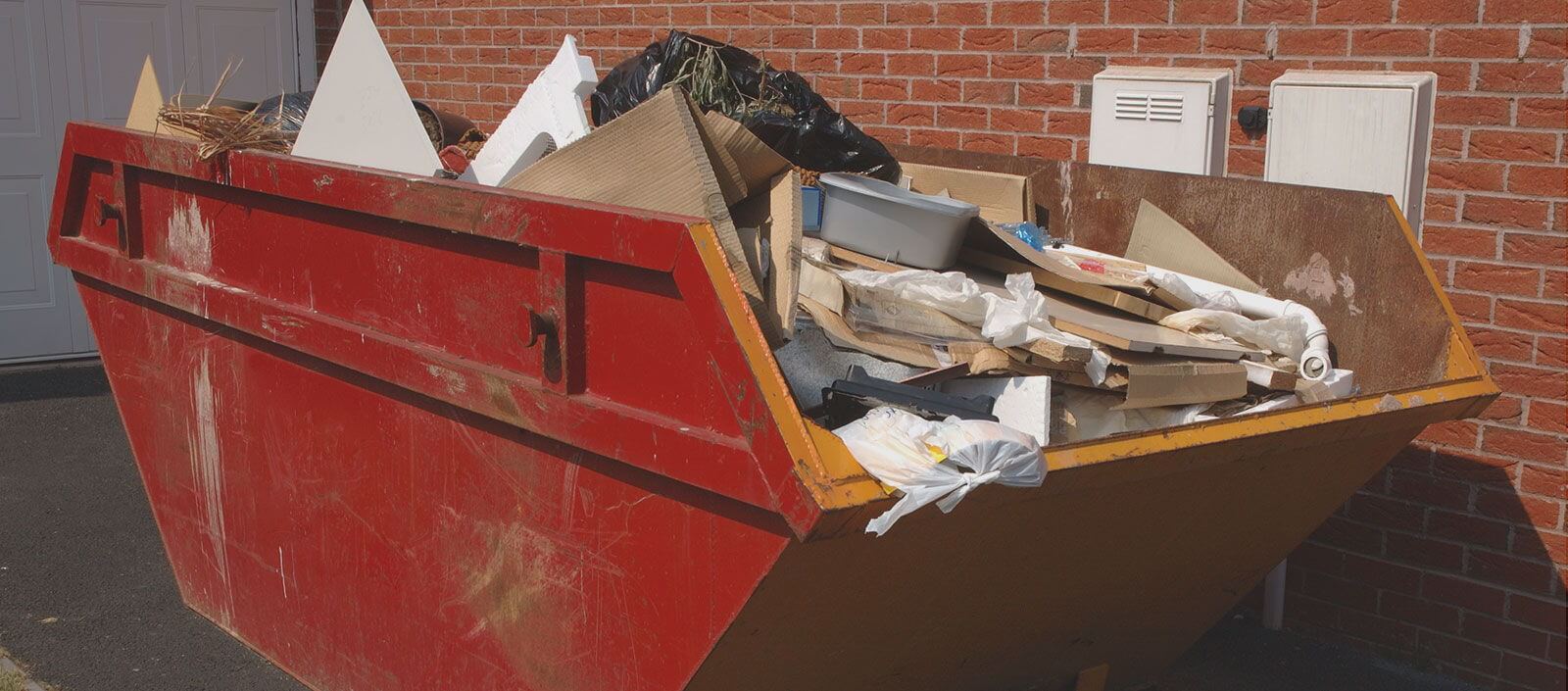
Accessible rubbish removal for Harringay blocks and estates
Posted on 08/07/2026

Getting rid of bulky waste in a Harringay block or estate can be awkward at the best of times. Narrow walkways, shared entrances, parked cars, lift restrictions, and neighbours who quite rightly want the place kept tidy all make rubbish removal feel more complicated than it should be. That is exactly why accessible rubbish removal for Harringay blocks and estates matters: it is about making waste collection easier to reach, safer to move, and less disruptive for the people living there.
Whether you manage a residential estate, live in a converted block, or need a one-off clear-out after a tenant move, the right setup saves time, reduces complaints, and helps keep communal areas presentable. In this guide, we will walk through how accessible collections work, what to expect, the common pitfalls, and how to make the whole process smoother from start to finish. A bit of planning goes a long way, honestly.
Why Accessible rubbish removal for Harringay blocks and estates Matters
Blocks and estates are different from typical street-level houses. Waste often has to move through shared spaces, and those spaces are not always designed for frequent bulky collections. A sofa in a top-floor flat, old office chairs from a resident committee room, or renovation debris left near a rear entrance can quickly become a nuisance if the collection route is not accessible.
Accessibility here is not just about wheelchairs or step-free access, although that is part of it. It also means practical access for loaders, clear routes for trolleys or carry bags, sufficient turning space for vehicles, and a process that respects residents who may be elderly, disabled, or simply trying to get on with their day. If the collection is planned badly, you get noise, blocked paths, and frustrated neighbours. If it is planned well, the whole thing can feel almost invisible.
In our experience, estate managers often underestimate how much difference the last 20 metres can make. A skip or van may be easy enough to arrange, but if there is no clear route from the flat to the vehicle, the job gets slower, pricier, and more stressful. That is why services designed around access, communication, and timing tend to work better in dense parts of Harringay.
If you want a broader overview of the kinds of jobs covered, the services overview gives a useful sense of how a professional collection service fits around different waste types and property layouts.
How Accessible rubbish removal for Harringay blocks and estates Works
Accessible rubbish removal usually starts with a short assessment of the site. That may happen over the phone, by photos, or during a quick visit if the job is more involved. The aim is simple: understand how waste will be moved from the source to the vehicle with the least disruption.
A good collection plan normally looks at:
- where the waste is currently stored
- the route from flats, bins stores, basements, or communal corridors
- whether stairs, lifts, or ramps are involved
- any gate codes, concierge rules, or timed access windows
- parking and vehicle access near the block
- whether the waste includes general rubbish, furniture, appliances, or builders' debris
From there, the collection team can decide whether they need extra labour, a different vehicle size, or a split collection across two visits. Sometimes the answer is simple. Other times, especially in older estates with tight internal courtyards, the job needs a bit of choreography. Nothing dramatic, just careful sequencing.
For bulky or mixed items, it helps to understand the item types in advance. A worn-out wardrobe, an old fridge, and a pile of bagged rubbish all behave differently on collection day. If you are unsure what counts as bulky waste or how mixed loads are handled, the article on Harringay bulky item rubbish pickup is a useful companion read.
Some estate jobs also need quick turnaround. If rubbish is blocking a shared entrance or a tenant move-out has left the lobby unusable, same-day help may be the practical answer. You can read more about that kind of urgent work in same-day emergency rubbish removal in Harringay.
Key Benefits and Practical Advantages
The biggest benefit is straightforward: less friction. When collections are accessible, waste disappears more quickly and with fewer moving parts. But the gains go beyond convenience.
- Safer handling: fewer awkward lifts, fewer trips up and down stairs, and less chance of damage to walls, doors, or flooring.
- Better resident experience: shorter disruptions, less noise, and less clutter left in shared areas.
- Cleaner communal spaces: rubbish is removed before it drifts into hallways, bin stores, or loading bays.
- More predictable costs: a clear access plan helps avoid last-minute surprises and repeated call-outs.
- More suitable for vulnerable residents: if someone has limited mobility, a well-managed collection avoids unnecessary stress.
There is also a subtle but important reputational benefit. Estates that stay tidy tend to feel better run. That matters to residents, managers, landlords, and sometimes prospective buyers too. A clean, orderly block gives a very different first impression from one with broken furniture stacked by the bins for three days. Let's face it, people notice.
For mixed-use buildings and rental properties, this can also support day-to-day management. If you are looking at the local property side of Harringay, the article on smart real estate investments in Harringay shows why practical building upkeep often matters more than people expect.
Who This Is For and When It Makes Sense
Accessible rubbish removal is useful for a wide range of people, but it is especially relevant in buildings where waste cannot simply be placed on the pavement and picked up later.
- Estate managers dealing with communal clear-outs or recurring fly-tipping issues
- Landlords and letting agents handling tenant move-outs, abandonment, or pre-let clearance
- Residents in flats or maisonettes who need bulky items removed from upper floors
- Housing associations and resident associations organising bulk collections
- Block contractors removing builders' waste after maintenance or small refurbishments
- Small businesses inside mixed estates with office furniture, packaging waste, or old appliances to clear
It makes sense any time access is the challenge rather than the waste itself. So, if you already know what needs removing but you are worried about stairs, entry controls, or limited loading space, this is the right kind of service to look at.
If your project includes shopfronts, offices, or shared commercial units, commercial waste removal in Harringay may be the more suitable route. For flats, homes, and tenant properties, domestic and household-focused services are often a better fit.
Step-by-Step Guidance
If you are arranging a collection for a block or estate, a simple process usually works best. Here is a practical way to handle it.
- Identify the waste clearly. Separate general rubbish, furniture, white goods, and builders' debris if you can. Mixed loads can still be handled, but clarity helps.
- Check access points. Note entrances, lift sizes, stair routes, bin store locations, and any barriers or locked gates.
- Measure the awkward bits. A sofa that looks fine in a hallway can be a nightmare in a narrow stairwell. Door widths matter. So do bends on landings.
- Book for a sensible time. Avoid resident rush hours where possible. Early mornings or quieter daytime windows often reduce friction.
- Share instructions upfront. Include parking details, access codes, and any rules from building management. It saves everybody a phone call later.
- Keep the route clear. Move bins, bikes, prams, and loose items out of the path before the team arrives.
- Confirm what will happen after collection. Ask how the area should be left, especially if the waste came from a communal store or basement room.
A small example: a resident in a mid-rise block might need an old mattress and a broken wardrobe removed from the third floor. If the lift is too small for the wardrobe, the team may dismantle it safely on site or carry it in sections. That is exactly the sort of detail that turns a difficult job into a manageable one.
If you are comparing collection types, rubbish collection in Harringay is often the broadest option, while waste removal in Harringay can suit larger mixed clear-outs. For end-of-tenancy or inherited-property clearances, house clearance in Harringay can be a stronger fit.
Expert Tips for Better Results
There are a few habits that make accessible collections go much more smoothly. These are the things that experienced teams and property managers tend to do without thinking twice.
- Photograph the route before booking. A few images of stairwells, gates, or loading areas can save time and help avoid guesswork.
- Separate high-friction items first. Sofas, wardrobes, and white goods slow a job down more than bagged waste does.
- Label anything sensitive. If a communal clear-out includes items that should stay on site, make that obvious. It sounds basic, but people do get mixed up.
- Protect surfaces in older buildings. Many Harringay blocks have stairwells and corridors that are a bit more delicate than they look at first glance.
- Plan around neighbours. If there is a nursery, a home-working resident, or shift workers in the building, timing matters more than you think.
One quiet little trick: place items in a single staging point if the building allows it. Not in the hallway all week, obviously, but a tidy, agreed pickup area can cut collection time and reduce confusion. The difference is noticeable. Less back-and-forth, fewer interruptions, and fewer "whose chair is that?" moments.
If you want reassurance about the people handling the job, it is worth reviewing the company's insurance and safety approach and its waste carrier licence and compliance information before you go ahead.

Common Mistakes to Avoid
Most problems with estate and block collections are preventable. The same few mistakes come up again and again.
- Leaving access assumptions untested. "The van should fit" is not the same as checking turning space or loading height.
- Forgetting about lift restrictions. A lift may technically exist, but it may not be suitable for heavy or oversized items.
- Not warning residents. Surprise collections create complaints, especially if bins, parking, or entrances are affected.
- Mixing risky waste with ordinary rubbish. Appliances, sharp materials, and builder waste need clearer handling.
- Booking too little time. A rushed visit in a complex block often ends up costing more than a properly planned one.
Another easy mistake is focusing only on price. A cheaper collection that cannot reach the waste properly may need more labour, more visits, or more site disruption. That is a false economy, and a pretty common one too.
If you are trying to understand why quotes can vary, take a look at how to avoid hidden fees in Harringay rubbish removal quotes. It is a helpful reminder that access, labour, and item type all affect the final number.
Tools, Resources and Recommendations
You do not need specialist equipment to organise an accessible collection, but a few practical tools make life easier.
- Phone camera: for photographing routes, entrances, and bulky items before booking
- Simple measuring tape: especially useful for doors, stair turns, and lift openings
- Site notes: keep a short written record of gate codes, parking restrictions, and contact names
- Resident notice template: a basic notice helps everyone understand timing and access needs
- Item list: a rough inventory stops last-minute surprises on the day
For background reading on how the company works, the about us page is a sensible place to see the business approach in plain language. If your collection involves cleaning up after small building work, builders waste disposal in Harringay may also be relevant.
And if sustainability matters to your block or landlord portfolio, it is worth reviewing the company's recycling and sustainability approach. Not every item can be reused, of course, but a responsible process should always aim to divert as much as possible from landfill where practical.
Law, Compliance, Standards, or Best Practice
For blocks and estates, compliance is not just paperwork. It is part of keeping residents safe and avoiding avoidable problems. In the UK, waste must be handled by a lawful carrier, and the duty of care sits with anyone who produces or arranges for waste to be removed. That means the people booking the service should feel comfortable asking simple questions about licensing, paperwork, and where the waste goes.
Best practice usually includes:
- using a properly licensed waste carrier
- keeping access routes clear and safe during collection
- avoiding obstruction of fire routes, exits, and communal corridors
- separating hazardous, electrical, or special items where required
- checking insurance cover for work in shared spaces
- recording collection details for property management files when needed
For buildings with accessibility considerations, a thoughtful operator should also be mindful of residents who use mobility aids, have visual impairments, or need extra time to move safely through shared areas. The practical test is simple: does the collection reduce barriers, or does it create them?
It is also wise to review the company's written policies where relevant, such as the accessibility statement, terms and conditions, privacy policy, and cookie policy. Those pages help build trust and show how the service handles information and expectations.
If the building includes offices or communal business units, waste handling standards can differ a little, so it may be sensible to compare with office clearance in Harringay or related service pages depending on the load.
Options, Methods, or Comparison Table
There is more than one way to remove waste from a block or estate. The best choice depends on the size of the job, the access available, and how quickly it needs doing.
| Method | Best for | Pros | Trade-offs |
|---|---|---|---|
| Manual collection from the flat or store | Small to medium loads, easy access | Flexible, quick to arrange, minimal equipment | Needs clear routes and may take more labour |
| Staged collection from a communal point | Estate clear-outs, resident bulk disposals | Efficient, easier to manage, less disruption inside the building | Requires planning and resident communication |
| Vehicle-side loading from a nearby access point | Blocks with limited internal access but decent parking | Fast once set up, good for bulky items | Depends on vehicle access and parking control |
| Split or multi-visit clearance | Large mixed loads or difficult layouts | Reduces pressure on residents and staff | Takes longer to complete and needs coordination |
For heavier items like appliances, it can also help to consider a dedicated route. White goods are awkward, awkward enough that they often deserve their own plan. If that sounds familiar, white goods and appliance disposal in Harringay is worth checking.
Case Study or Real-World Example
Picture a medium-sized Harringay estate with three blocks around a shared courtyard. After a series of tenant moves, the estate team has a small mountain of waste: a broken bed frame, two cupboards, bagged rubbish, a chest freezer, and a few odds and ends left near the bin store. Nothing outrageous. Just enough to cause a daily irritation.
The access challenge is the real issue. The courtyard has limited turning space, the lift in one block is too small for the larger wardrobe, and the bin store entrance is narrow. Rather than forcing everything through one route, the job is split into stages. Smaller bags are moved first through the most direct path. The wardrobe is dismantled. The freezer is handled separately. The collection happens during a quieter daytime window, and residents are warned the day before.
The result is not dramatic, which is the point. The courtyard clears, the bin area becomes usable again, and the estate team does not spend the next week apologising for blocked walkways. It is a boring success story. Those are often the best kind.
This sort of approach is especially useful when the waste includes mixed household items. For larger clearances, a broader service like house clearance in Harringay or furniture disposal in Harringay may be the neatest fit.
Practical Checklist
Before collection day, run through this list. It keeps things simple and avoids those annoying little delays that turn into bigger delays.
- Confirm the exact address, block name, and entry point
- List the items to be removed
- Identify stairs, lifts, ramps, or other access limits
- Note parking restrictions and loading options
- Share gate codes, keys, or concierge instructions
- Warn residents or affected neighbours if needed
- Check whether any items need special handling
- Clear the route from the waste to the exit
- Protect floors or walls if the route is tight
- Confirm who will sign off the job when it is done
Quick takeaway: the more you reduce uncertainty before the team arrives, the more accessible the collection becomes in practice. Accessibility is really about removing friction, one small detail at a time.
Get a free quote today and see how much you can save.
Conclusion
Accessible rubbish removal for Harringay blocks and estates is not just a nice-to-have. It is a practical way to keep shared spaces clear, protect residents from avoidable hassle, and make waste collection work in the real world, not just on paper. When the access is planned well, even awkward collections can feel controlled and straightforward.
The main lesson is simple: check the route, communicate early, and match the collection method to the building rather than trying to force the building to fit the collection. Do that, and you will usually save time, money, and a fair bit of stress too. And that, truth be told, is what most people really want.
For a cleaner, calmer block or estate, the right waste plan can make a bigger difference than you might expect. Small improvements add up. They always do.